


For Mr. Sunil Jaidar, a progressive livestock entrepreneur from Chouldari (Bachada Pahad) in South Andaman, pig farming has been both a livelihood and a growing enterprise. With a semi-intensive piggery comprising 140 pigs—40 sows, 50 boars and 50 piglets, including Andamani and Large Yorkshire crossbreds, he had established a steady presence in the local livestock sector, supplying live animals and pork to island markets.
However, despite his experience and commitment, a critical health problem was affecting the productivity and profitability of his farm. Iron Deficiency Anaemia (IDA) in newborn piglets was resulting in severe health complications, stunted growth and high mortality, causing substantial production and financial losses.
Newborn piglets have limited iron reserves of approximately 50 mg at birth, which are rapidly depleted due to their fast growth and the low iron content of sow’s milk. Under semi-intensive farm conditions, the piglets had little access to iron-rich soil, further increasing their vulnerability to IDA. The affected piglets developed pale mucous membranes, rough hair coats, severe growth retardation and chronic diarrhoea. In severe cases, haemoglobin levels fell to around 4.88 g/dl by the fourth week, with mortality reaching as high as 50%.
Scientific Intervention Brings a Turning Point
Recognising the problem, scientists from ICAR–Central Island Agricultural Research Institute (ICAR-CIARI), Port Blair, provided Sunil with scientific guidance on the causes, clinical symptoms, treatment and prevention of IDA in piglets.
A simple but systematic intervention was introduced—the Oral Iron Module, popularly referred to as the 2-7-10-15 Module. Under the protocol, oral ferrous sulphate was administered to piglets on the 2nd, 7th, 10th and 15th day after birth at 30 mg/kg body weight.
The intervention was complemented by mineral mixture supplementation for lactating sows and early creep feeding to ensure adequate nutritional support during the critical early growth period.
Sunil followed the recommended protocol throughout the suckling period, while ICAR-CIARI scientists made regular visits to monitor the health and growth of the piglets and provide technical guidance. The results were remarkable.
The treatment achieved a 100% cure rate in the treated litters, while mortality in treated litters declined to zero. Overall piglet mortality fell substantially, and the improved health and survival of piglets translated directly into better growth, productivity and farm returns.
From Health Gains to Higher Income
Healthy piglets meant more animals reaching the market and fewer resources being lost to disease and mortality. Weaned piglets fetched around ₹2,000 per head, while fatteners weighing 70–80 kg were sold for approximately ₹30,000 per head. The intervention generated an additional net profit of about ₹10,000 per litter compared with anemic litters.
The improvement also established a more consistent cash flow, with approximately one pig being sold or slaughtered every week. At the same time, the need to nurse sick piglets reduced significantly—from hours of care to around 10–15 minutes for feeding, effectively halving the labour requirement for nursing.
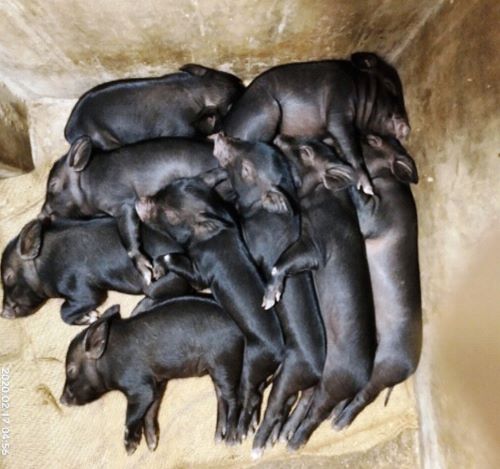
The time and resources saved gave Sunil the opportunity to diversify his livelihood by starting a poultry venture. Increased farm income also enabled him to meet important household needs, including his children’s school fees, house construction and repairs, and the purchase of a family vehicle. He further reinvested his earnings in purchasing additional piglets and upgrading farm infrastructure.
A Profitable Enterprise Replaces a Struggling One
Over a two-year period, the impact of the intervention became even more evident. Piglet mortality declined from 50% to 20%, while the number of surviving piglets increased from 200 to 320. The resulting improvement in survival and productivity increased the farm’s total income from ₹23.50 lakh to ₹37.20 lakh, while profit rose from ₹2.63 lakh to ₹9.83 lakh, generating an additional ₹7.20 lakh in profit over the two years.
The economic viability of the enterprise also improved substantially, with the reported benefit-cost ratio increasing from 0.67 to 1.48, transforming the enterprise from a financially challenging activity into a viable and profitable one.
Beyond the numbers, the intervention brought a significant change in Sunil’s confidence in scientific livestock management. He expressed his willingness to independently purchase oral iron supplements from the market in the future, demonstrating his confidence in the technology and its benefits.
A Model for Wider Adoption
The success of Sunil’s farm demonstrates how a simple, timely and scientifically recommended intervention can address a critical livestock health challenge and create a direct impact on farmers’ incomes. The scheduled oral iron supplementation module not only improved piglet health and survival but also reduced the economic losses associated with mortality, lowered labour requirements and enabled the farmer to diversify and reinvest in his enterprise.
Appreciating the support provided by the Director and scientists of ICAR-CIARI, Port Blair, Sunil expressed his gratitude for the introduction and implementation of the oral iron supplementation module. He emphasised the need to extend the intervention across the Andaman and Nicobar Islands so that more pig farmers can benefit from the technology.
Looking ahead, Sunil plans to pursue livestock farming in a more scientific and systematic manner, with continued guidance from ICAR-CIARI scientists to minimise input costs, maximise productivity and strengthen farm profitability.
His experience offers a compelling example of how science-led livestock management, when translated into a simple and practical solution at the farm level, can transform animal health into higher productivity, stronger incomes and greater livelihood security for farmers.
(Source: ICAR- Central Island Agricultural Research Institute, Sri Vijaya Puram, Andaman & Nicobar)


Like on Facebook
Subscribe on Youtube
Follow on X X
Like on instagram