


The temperate regions of the Himalayas generate large quantities of horticultural residues, particularly apple pomace and apple leaves, which often remain underutilized or discarded. At the same time, livestock farmers face acute fodder shortages during winter months, when fresh forage availability declines sharply. Interventions by ICAR-Indian Grassland and Fodder Research Institute, Jhansi, Regional Research Station demonstrated that these two challenges can be addressed together through innovative silage formulation using apple pomace as a natural additive.
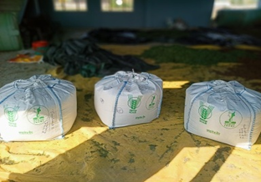
Apple pomace (AP), a by-product of juice and cider industries, was evaluated as an additive (10–50%) in silage prepared from temperate grasses, legumes, and apple leaves. Multiple silage formulations were developed and assessed for fermentation quality, nutrient composition, and feeding value. The results showed that inclusion of apple pomace improved fermentability, leading to desirable silage pH (3.74–4.56) and enhanced lactic acid production, both key indicators of good-quality silage.
Across all treatments, silage ranged from medium to good quality, confirming that apple pomace supports efficient anaerobic fermentation. Both fresh and ensiled diets exhibited acceptable crude protein levels (9.63–13.78%), balanced fiber fractions, and favorable energy values, with total digestible nutrients (TDN) ranging from 65.40 to 76.24% and metabolizable energy (ME) from 2.37 to 2.76 kcal/g. These values fall well within the nutritional requirements for small ruminants during maintenance and moderate production. To validate feeding performance, selected silages were fed to sheep under controlled conditions.
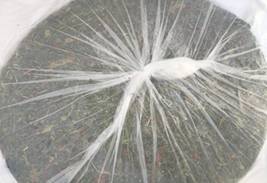
Animals readily consumed apple pomace-based silage, reflecting good palatability and voluntary intake, which ranged from 3.64 to 4.12% of body weight. Such intake levels indicate strong acceptance of these unconventional silage combinations. Dry matter digestibility ranged from 62.8 to 64.6%, while crude protein digestibility exceeded 70% across treatments.
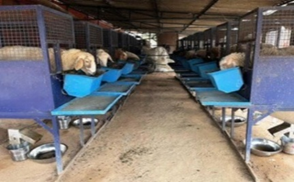
Fiber digestibility (NDF and ADF) also remained satisfactory, demonstrating that the inclusion of apple pomace did not compromise rumen function or nutrient utilization. This study establishes apple pomace as an effective, low-cost silage additive that enhances fermentation quality, improves feed intake, and supports efficient nutrient utilization. Importantly, it also promotes value-added use of horticultural waste, aligning with circular bioeconomy principles and climate-smart livestock production.
(Source: ICAR - Indian Grassland and Fodder Research Institute, Jhansi)


Like on Facebook
Subscribe on Youtube
Follow on X X
Like on instagram