


10 October 2026, Vadodara, Gujarat
Reinforcing its commitment to conserving indigenous fish biodiversity and promoting sustainable fisheries, the Vadodara Research Station of ICAR-Central Inland Fisheries Research Institute, Barrackpore, organized three Field-Day-cum-Awareness Programmes in the Mahi Estuary, Gujarat, from 5 to 10 October 2026. The initiative focused on sensitizing fishing communities and other stakeholders to the importance of conserving native fish species, protecting critical aquatic habitats and adopting responsible fishing practices to sustain the estuary’s ecological health and fisheries-based livelihoods.
The programmes were conducted under the guidance of Dr Pradip Dey, Director, ICAR-CIFRI, Barrackpore.
The Mahi Estuary is a vital aquatic ecosystem that supports diverse indigenous finfish and shellfish populations while sustaining the livelihoods of local fishing communities. Its dynamic interaction between freshwater and marine environments provides important habitats for fish growth, breeding and recruitment. However, increasing anthropogenic pressures, habitat alteration, pollution and unsustainable fishing practices pose significant challenges to the conservation of aquatic biodiversity and the long-term productivity of estuarine fisheries.
Recognizing these challenges, the field-day programmes emphasized the urgent need to conserve indigenous fish species and safeguard the habitats essential for maintaining healthy fish populations.
Discussions highlighted the protection of breeding and nursery grounds, prevention of destructive fishing practices, adoption of responsible harvesting methods and compliance with fisheries regulations. The programmes also underscored the importance of safeguarding threatened and ecologically significant native species to maintain the ecological balance of the estuary.
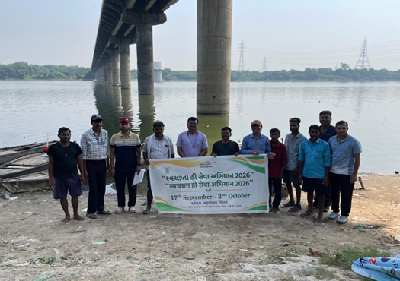
Emphasizing a long-term vision for aquatic biodiversity conservation and sustainable fisheries, Dr Dey stated, “Conserving indigenous fish diversity is not merely an ecological responsibility; it is a strategic investment in the future of our aquatic ecosystems, food and nutritional security, and the livelihoods of fishing communities. Our vision is to build a science-driven, community-led and climate-resilient fisheries management framework in which conservation and sustainable resource utilization go hand in hand.
By empowering fishing communities with scientific knowledge, promoting responsible fishing practices and protecting critical estuarine habitats, ICAR-CIFRI aims to transform conservation awareness into collective action and ensure that the rich indigenous fish biodiversity of the Mahi Estuary is preserved as a lasting natural heritage for generations to come.”
A key feature of the programmes was direct interaction between fisheries scientists and local stakeholders, providing a platform for exchanging scientific knowledge, field-level experiences and perspectives on fish diversity, fishing practices and changes in the estuarine environment. The interactions highlighted the pivotal role of fishing communities as partners in conservation, particularly through responsible harvesting, protection of aquatic habitats and active participation in community-based fisheries management initiatives. Through these field-level outreach programmes, ICAR-CIFRI is bridging the gap between fisheries research and community action, encouraging stakeholders to translate conservation awareness into responsible practices.
The initiative reaffirmed the Institute’s commitment to conserving indigenous fish resources, strengthening sustainable estuarine fisheries management and safeguarding the ecological integrity of the Mahi Estuary while supporting the long-term livelihood security of fishing communities.
(Source: ICAR-Central Inland Fisheries Research Institute, Barrackpore)


फेसबुक पर लाइक करें
यूट्यूब पर सदस्यता लें
X पर फॉलो करना X
इंस्टाग्राम पर लाइक करें